How can we help you?
Rewards
eBucks
Level 3
eB12 450
Virtual card
On · •••• 4411
Transfer
Pay
Accounts
Secure chat
FNB · Light
FirstRand · App design system
Overview
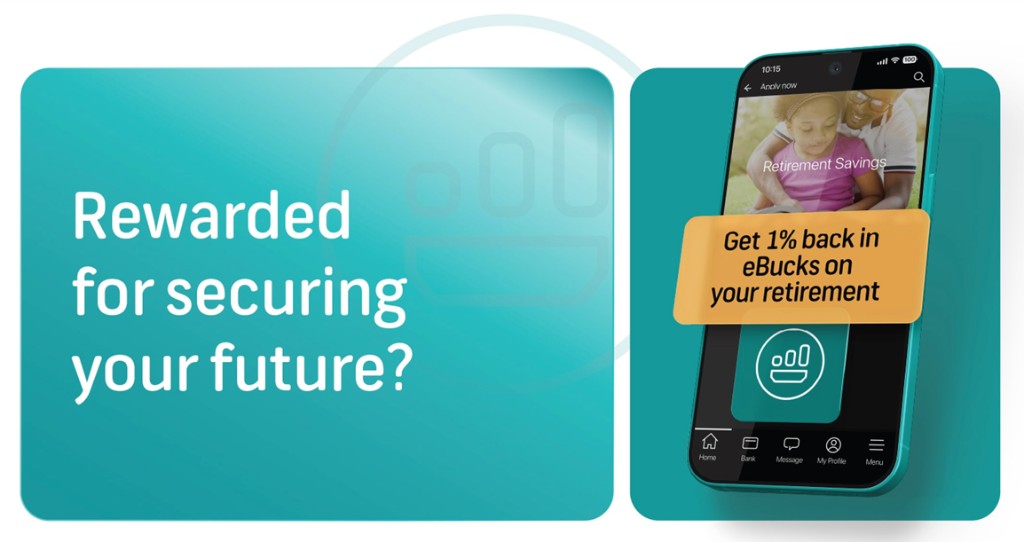
The design system was already in use across FNB, RMB and WesBank. Colour, type and components lived as styles, so a brand or a mode meant restyling by hand. I converted that system to variables: one set of decisions for colour, type and size, with modes for light, dark and each brand. A change in a variable updates the screens, instead of a pass through every file.
Modes
Light and dark were already part of the product. They were not yet modes on the same tokens, so contrast had to be checked again every time a colour moved. I mapped both modes onto the variables and tested the colours so the ratios hold. A customer on FNB or RMB, in light or dark, gets the same hierarchy without a second design.
Brands
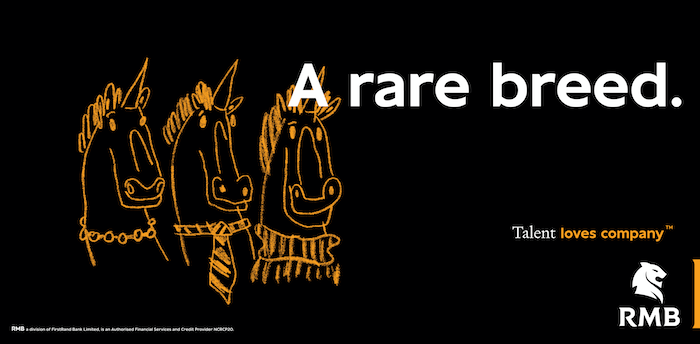
Each brand already had its own colours, type and imagery. Switching between them meant duplicating screens. I turned those existing decisions into shared variables, so FNB and RMB are modes on the same components. The brand stays individual. Layout, contrast and hierarchy stay the same. Teams change a skin instead of rebuilding the file.
Foundations
Colour, type, spacing, grids and components were already there. I moved them into variables so a decision lives in one place. Teams keep the system they know, and stop maintaining a copy of it for every brand and every mode.
Result
The outcome was time. A brand or a mode is a variable change, not a restyle of every screen. Teams keep the same components, contrast and hierarchy, and spend the saved time on the product instead of the file.
One variable update lands on every screen that uses it, instead of a manual pass through each brand.
Both modes sit on the same tokens, so contrast and hierarchy hold without a second design.
FNB and RMB switch from the system that was already there. The layout does not get rebuilt.